
Summary
The water meter test is simple. Turn off everything that uses water, write down the meter reading, wait two hours without touching a tap, then read it again. If the number moved, water is going somewhere it shouldn’t.
The water meter test is the one check that settles the argument. A damp spot or a high bill might have a dozen explanations, but a meter that climbs with every valve closed means you have a leak.
Running the water meter test costs nothing, beyond two hours of leaving the water alone. Here’s how to do it properly, and what each result tells you.
What is the water meter test?
Your meter counts every drop entering the house. The water meter test just watches that count while nothing is running, so any movement means water is escaping between the meter and your fixtures.
The EPA uses the same method. Its guidance is to check the meter before and after a two-hour period with no water use, and treat any change as a probable leak.
No movement over two quiet hours is a clean bill of health for the pressurized side of your plumbing.
How do you run the water meter test at home?
Pick a window when nobody needs water. Early morning or a workday afternoon both work.
- Shut off every fixture, and don’t forget the ice maker, the humidifier, and any irrigation timer.
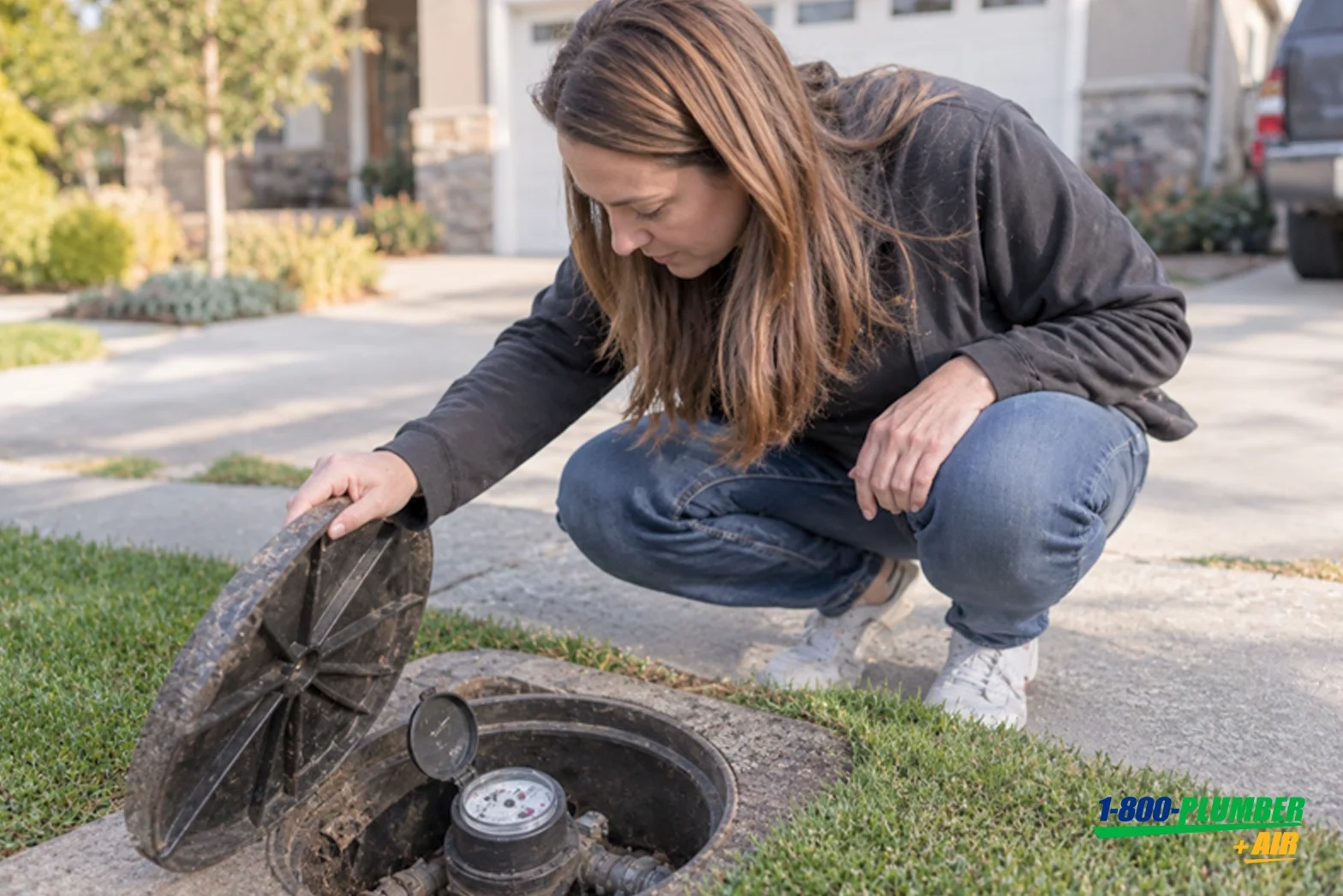
- Find the meter. It sits in a box near the curb in most homes, or in the basement in colder regions.
- Photograph the reading, including the last digits. A photo beats a scribbled note.
- Look for the leak indicator, the small triangle or star on the dial face. It spins with even a trickle of flow.
- Leave the water alone for two hours.
- Read the meter again and compare it with your photo.
Basement meters usually sit near the heating equipment, so you’ll likely see the water heater and the boiler or furnace while you’re down there. Our boiler vs furnace guide helps if you’ve never been sure which one you have.
What does the result mean?
Two numbers give you a yes or no. A second round of the water meter test, with the main valve closed, tells you roughly where to look.
| What you see | What it means | Next step |
|---|---|---|
| Reading identical, indicator still | No leak on the pressurized side | Check drains and the roof for the damp spot |
| Reading moved slightly | Small leak, often a toilet flapper | Run the dye test on every toilet |
| Indicator spinning steadily | Active leak, water running somewhere | Shut the main and call a plumber |
| Still moves with the main shut off | Leak in the service line, outside the house | Underground leak, needs a pro |
| Stops with the main shutoff | Leak is inside the house | Isolate fixture by fixture |
A silent running toilet is the most common cause of a creeping meter.
What is a hidden leak costing you?
The EPA puts average household leaks at more than 9,300 gallons a year, with nine percent of homes wasting 50 gallons or more every day. That shows up on your bill long before it shows up on your ceiling.
If you want the price side: leak detection service commonly runs $175 to $350 in national cost data, and rates vary by market and by how buried the leak is. Ask your local team for a flat quote before work starts. A winter bill that spikes without a change in habits is often the first clue.
Why 1-800-Plumber +Air for a Leak You Can’t Find
Once the meter proves there’s a leak, finding it is the job. Our technicians pressure-test sections of the system and use acoustic and thermal tools rather than opening walls on a hunch, and water leak repair is a daily call for us.
If the meter is racing or you can hear water in a wall, shut the main valve and call our emergency plumbing team instead of waiting for business hours.
Final Thought
The water meter test takes two quiet hours and tells you more than a month of wondering about the bill. Run it, photograph both readings, and you’ll know where you stand.
If the number moved, call 1-800-Plumber +Air at 1-800-758-6237, and we’ll find the leak behind it.
Frequently asked questions
How long should the water meter test run?
Two hours with zero water use is the standard. Overnight is even better, as long as nobody flushes.
My meter has a digital display. Does this still work?
Yes. Digital meters wake up when you shine a light on them, and most show a flow rate or a drip symbol instead of a spinning triangle.
Can the test find a slab leak?
It proves one exists, not where it is. Warm spots on the floor, the sound of running water, and a meter that keeps moving with the main closed all point to a leak under the slab.
Does the meter move if only a drain is leaking?
No. Drain lines aren’t pressurized, so a drain leak passes this test. That’s why a clean result still means you need to check the drains and the roof.