
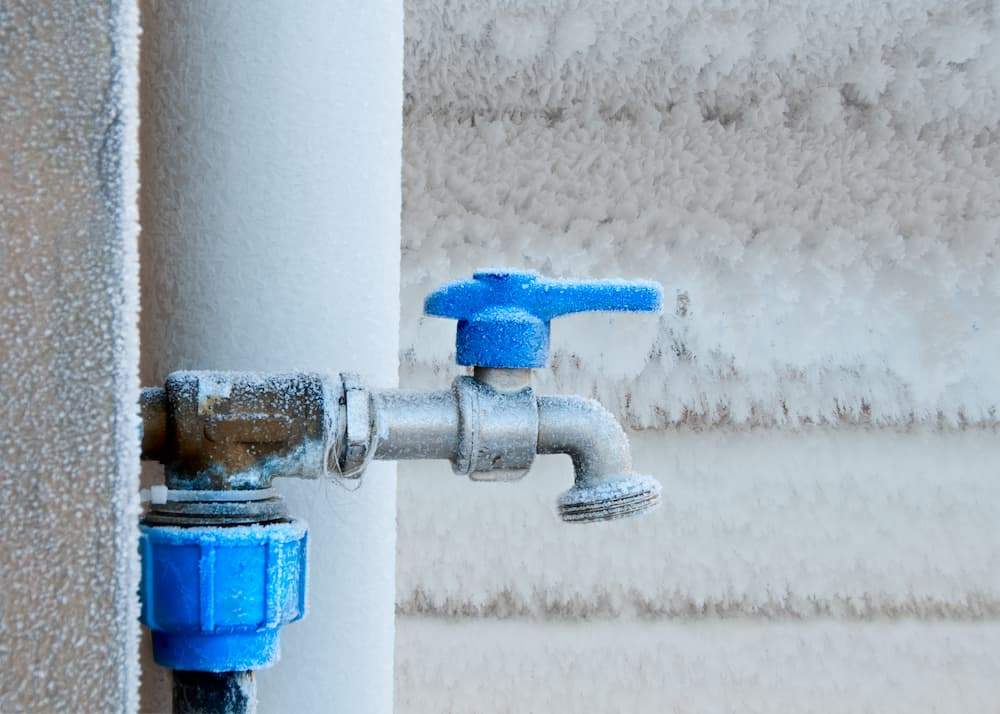
- Prevent frozen pipes before winter hits: Insulate exposed pipes, seal drafts, disconnect outdoor hoses, maintain consistent indoor heat, and let faucets drip during extreme cold to reduce the risk of freezing.
- Act quickly if a pipe freezes: Watch for reduced water flow or frost on pipes, thaw them safely with gentle heat (never using an open flame), and call a licensed plumber if you suspect a burst pipe or are unable to locate the blockage.
- Know when to call an emergency plumber: Burst pipes, major leaks, no water flow, or sewer line issues require professional service to minimize damage and restore your plumbing quickly.
Winter temperatures can put Lansdale homes at greater risk for frozen pipes. When water freezes inside plumbing lines, it can restrict flow and place pressure on pipes, potentially leading to burst lines and significant water damage. 1-800-Plumber +Air of Lansdale helps homeowners prepare for freezing weather with practical plumbing guidance and 24/7 emergency service when urgent problems arise. Knowing how to prevent frozen pipes and when to call an emergency plumber can help you protect your home before and during the coldest days of the season.
This blog post covers practical prevention tips, explains what to do if your pipes begin to freeze, and explains when it’s time to contact an emergency plumber in Lansdale so that you can minimize damage and restore your plumbing quickly. Keep reading.
Why Frozen Pipes Are a Serious Lansdale Winter Plumbing Problem
Frozen pipes are one of the most serious winter plumbing problems in any home. Water expands as it freezes, creating intense pressure inside the pipe, and as the pressure builds, it can cause pipes to crack or burst, leading to water damage when the ice thaws and water begins flowing again. Pipes located in unheated or poorly insulated areas such as basements, crawl spaces, garages, exterior walls, and outdoor hose connections are especially vulnerable. Understanding where pipes are most at risk and exactly why freezing causes damage can help you take preventive steps, such as improving insulation and maintaining proper indoor temperatures, to protect your plumbing system during the cold weather season.
Steps That Help Prevent Frozen Pipes
Temperatures will drop before we know it, and a few simple steps can go a long way toward preventing frozen pipes.
- Insulate exposed pipes in unheated areas such as basements, crawl spaces, and garages, and set the heater to a steady temperature.
- Keeping cabinet doors open under sinks lets warm air circulate, especially near exterior walls.
- Always disconnect garden hoses, drain them, and cover all outdoor faucets with insulated covers before freezing weather arrives.
- Seal drafts around doors, windows, and pipe entry points to help keep cold air out.
- During extreme cold, let any faucets connected to vulnerable pipes drip gently to keep the water moving.
- Finally, if you will be away from your home for an extended time during the winter, don’t turn the heat off; leave it at a safe temperature.
Following simple steps like these can reduce the risk of frozen pipes and keep your home protected all winter long.
What to Do If You Think a Pipe Is Frozen
If you think a pipe is frozen, act quickly to help prevent it from bursting and causing even more damage. Warning signs include reduced or no water flow from a faucet, visible frost on exposed pipes, extremely cold sections of plumbing, or unusual drain odors that may occur when ice blocks normal airflow. You can try thawing the area gradually with a hair dryer, heating pad, warm towels, or by increasing your home’s heat. However, never use an open flame, propane torch, or anything similar, as this can create a serious fire hazard.
If the frozen pipe is hidden behind walls, you cannot locate the blockage, or you notice signs of a leak or burst pipe, contact a licensed plumber immediately.
When to Call an Emergency Plumber in Lansdale
If you experience a burst pipe, rapidly spreading water, no water flow, or a main sewer line issue, you need to call an emergency plumber. By acting quickly, you can help prevent damage and restore your plumbing as fast as possible.
Stay Ahead of Lansdale’s Winter Plumbing Problems
Prepare your Lansdale home before freezing temperatures arrive. Learn how to protect your pipes, recognize warning signs, and know when professional help is needed. If a plumbing emergency strikes, 1-800-Plumber +Air of Lansdale is available 24/7. For free, upfront pricing or to learn more about our services in Lansdale, PA, contact us today.
Image credit: // Shutterstock // Andrey Zyk