
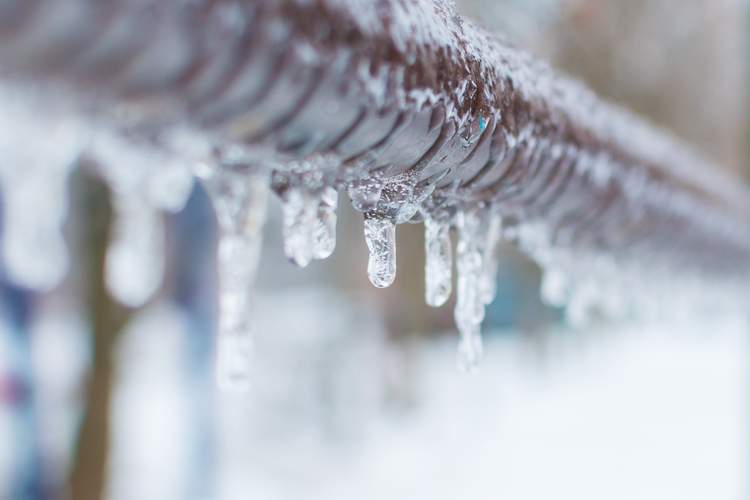
A frozen pipe is more than an inconvenience; it is a serious emergency. When water turns to ice inside a pipe, the pressure can cause the pipe to burst. This catastrophic failure leads to severe flooding and thousands of dollars in property damage. You must act fast. Knowing the correct steps now can limit the damage and keep your home safe.
Signs a Pipe Is Freezing
Spotting a problem early provides a short window to prevent a full pipe burst. The symptoms are straightforward. If temperatures drop below freezing, check your plumbing right away.
Water Pressure Drops
The first sign of freezing is often a sharp drop in water pressure from a faucet. Ice restricts the flow, slowing the water to a trickle. A sudden lack of water from one fixture, while others work fine, points to a freeze in that specific line.
Visible Frost or Damp Spots
If the freezing happens on an exposed pipe, such as in a basement or crawlspace, you might see ice or frost on the pipe’s exterior. If a small leak has begun, you might notice dampness or a water stain near where the pipe runs through a wall or ceiling.
Immediate Do-This-Now Actions
Time is the enemy. Every minute the pipe remains frozen increases the chance of it bursting. Take these steps immediately:
Shut Off the Main Water Supply
Locate your home’s main water shutoff valve and close it immediately. This stops the flow of water into your house. If the pipe bursts, this step will limit the flood damage to the water already in the line.
Open Faucets
Open all faucets connected to the affected pipe. A small trickle of water moving through the pipe will help melt the ice blockage. Running water also relieves pressure buildup inside the pipe, which helps prevent a burst.
Apply Gentle Heat
If you can find the frozen section of the pipe, try to warm it slowly. Use a hairdryer, a portable space heater aimed at the area, or towels soaked in hot water. Never use an open flame, propane torch, or anything that could damage the pipe or start a fire. Heat the pipe until water flow returns to normal.
Repair Costs Explained
Frozen pipe repair costs vary widely. A simple repair, where a plumber quickly thaws a pipe before it bursts, will be inexpensive. However, if the pipe has already burst, the cost climbs dramatically.
Burst Pipe Damage
A burst pipe requires two separate services: plumbing repair and water damage cleanup. A plumber cuts out the damaged pipe section and replaces it. Water damage remediation involves drying and sanitizing wet areas, removing damaged drywall, flooring, and insulation. The combined cost is often thousands of dollars.
Insurance + Damage Risk
Homeowners’ insurance typically covers sudden and accidental water damage from a burst pipe. However, insurers may deny claims if they find the damage resulted from a lack of proper home maintenance, like failing to insulate pipes.
Document Everything
If a pipe bursts, take photographs of the damage before you begin cleanup. Keep detailed records of all repair invoices, including both the plumber’s bill and the water remediation costs. This documentation is necessary for a successful insurance claim.
Your Home Needs Immediate Professional Help. Call 1-800-Plumber + Air Now.
Do not wait for a small trickle to become a major flood. If you cannot find or safely thaw the frozen section, or if the pipe has already burst, your safety and property are at risk. You need a professional plumbing team with emergency experience right away. Call 1-800-Plumber + Air right now for rapid response service. Protect your home from catastrophic damage.
Photo Credit: Nazarova Mariia