
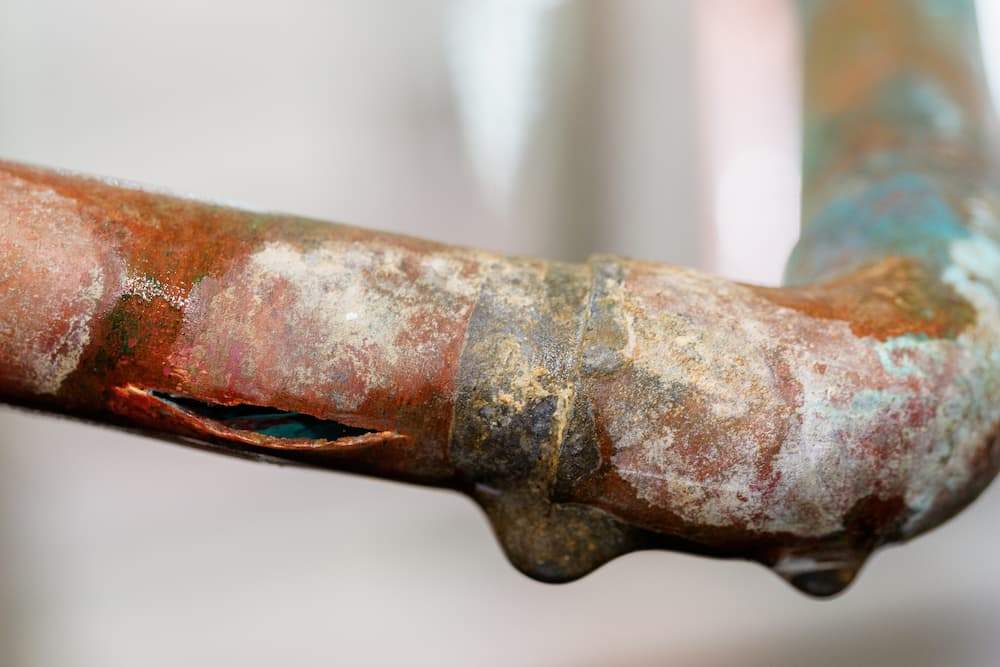
- Insulate exposed plumbing and protect outdoor faucets before freezing weather arrives.
- Keep indoor temperatures steady, open sink cabinets, and let vulnerable faucets drip during a hard freeze.
- If a pipe bursts, shut off the main water supply immediately and call a plumber before water damage spreads.
Dallas does not experience freezing weather every winter, but when a hard freeze arrives, plumbing problems can develop quickly. Pipes in attics, garages, exterior walls, crawl spaces, and other unheated areas face the greatest risk. 1-800-Plumber + Air of Dallas helps homeowners prepare before temperatures fall and provides 24/7 emergency plumbing support when a frozen or broken pipe needs immediate attention.
Why Dallas Pipes Are So Vulnerable to a Hard Freeze
North Texas homes are built for hot summers, not prolonged freezing temperatures. Plumbing that runs through unheated or lightly insulated areas can be exposed when temperatures stay below freezing for several hours.
When water inside a pipe freezes, it expands and creates pressure within the plumbing system. A pipe may crack during the freeze or begin leaking once the ice thaws and water starts flowing again. That is why frozen pipes in Dallas can become a serious problem even after temperatures begin to rise.
How to Prevent Frozen Pipes Before a Freeze Hits
Good frozen pipe prevention starts before the cold front arrives. Focus first on plumbing in exposed or unheated areas.
Homeowners can take several practical steps:
- Insulate exposed pipes in attics, garages, and crawl spaces.
- Disconnect garden hoses and protect outdoor faucets.
- Keep the thermostat at a consistent temperature day and night.
- Open cabinets beneath sinks along exterior walls.
- Let cold water drip slowly from faucets connected to vulnerable pipes.
- Keep the heat running if you leave home during freezing weather.
These precautions can help prevent pipes from freezing by keeping vulnerable plumbing warmer and maintaining some movement through the lines.
What to Do If Your Pipes Freeze
A faucet that produces little or no water during a freeze may indicate a frozen line. You might also notice frost on exposed plumbing or unusual changes in water pressure.
If you can safely access the frozen section, keep the faucet open and apply gentle heat with a hair dryer, heating pad, or warm towels. Work gradually from the faucet toward the frozen area.
Never use a torch, open flame, or other high-heat device. You could damage the pipe or create a fire hazard.
If you cannot locate the frozen area or the pipe has already cracked, stop attempting to thaw it and call a professional.
What to Do If a Pipe Bursts
A burst pipe requires immediate action.
First, shut off your home’s main water valve. This limits the amount of water entering the damaged line. If leaking water is near electrical outlets, appliances, or wiring, avoid the area and shut off electricity only if you can do so safely.
Next:
- Move valuables away from the water.
- Use towels or containers to limit spreading water when possible.
- Document visible damage if needed for your records.
- Call a plumber as soon as possible.
Professional burst pipe repair in Dallas may involve locating the damaged section, repairing or replacing the pipe, and checking surrounding plumbing for additional freeze damage.
If water is already entering your home, visit our Emergency Plumbing Services page for 24/7 help.
When to Call a Dallas Emergency Plumber
Do not wait if a pipe is actively leaking, water pressure suddenly drops, you cannot restore water after a freeze, or you suspect hidden damage inside a wall or ceiling.Repeated freezing may point to a larger problem, such as exposed plumbing, insufficient insulation, or aging pipes. In some homes, rerouting vulnerable lines or repiping may offer a more reliable long-term solution.
1-800-Plumber + Air of Dallas provides plumbing repairs, water leak detection and repair services, repiping, and 24/7 emergency support throughout Dallas and surrounding communities.
Call 214-935-8547 or schedule service for free upfront pricing and help protecting your home before or during the next North Texas freeze.
Photographer: MMPhoto21 / Shutterstock